When you need to use official documents in another country, getting the paperwork ready can feel overwhelming. Whether you are planning to study abroad, moving overseas, handling family matters, or managing international business requirements, you may be asked to provide documents that are officially authenticated.
One process you may encounter is obtaining an apostille. Although the term might sound unfamiliar, understanding how it works can make your paperwork much easier to manage.
At Native Translation Services LLC, we understand that preparing documents for international use can be confusing. Knowing what an apostille is, when you may need one, and how to get started can help you approach the process with greater confidence.
What Is an Apostille?
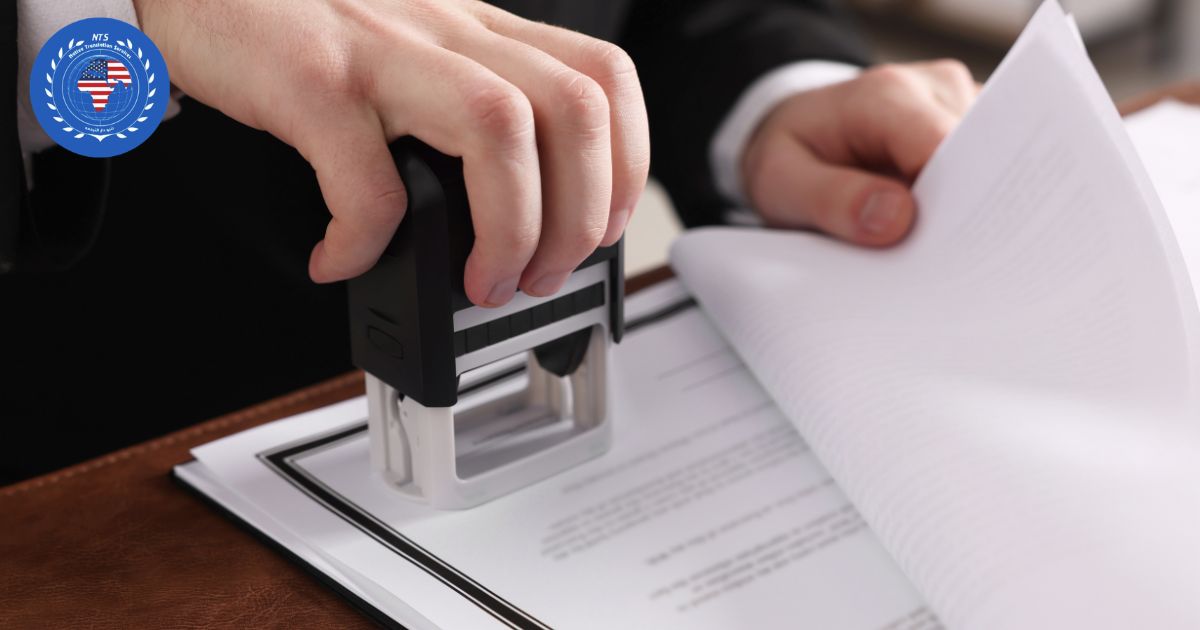
An apostille is an official certificate used to authenticate certain public documents for use in another country that recognizes apostilles under the Hague Apostille Convention.
It helps verify the authenticity of a signature, the capacity in which the person signing the document acted, and, where applicable, the identity of the seal or stamp on the document.
An apostille does not verify the information contained in a document or guarantee that the receiving organization will accept it. Instead, it helps establish the document’s official authenticity for international use.
Depending on the country where your document was issued and where you intend to use it, you may need an apostille or a different form of authentication.
Which Documents May Require an Apostille?
The documents you need to authenticate depend on your personal situation and the requirements of the organization requesting them.
Some common examples include:
- Educational documents: Diplomas, academic records, and certain university documents.
- Personal documents: Birth certificates, marriage certificates, and other vital records.
- Legal documents: Notarized affidavits, powers of attorney, and certain court documents.
- Business documents: Corporate records, business agreements, and documents required for international transactions.
For example, someone applying for a position overseas may need authenticated educational records, while a family handling legal matters abroad may be asked to provide an authenticated birth or marriage certificate.
Before beginning, confirm which documents are required and whether the receiving authority has any specific instructions.
Why Is an Apostille Important?
When official documents cross international borders, the receiving country may need a reliable way to verify their authenticity.
An apostille helps simplify this verification process between participating countries by providing a recognized form of authentication.
Without the required authentication, your paperwork may be delayed or rejected by the organization reviewing it. This can create additional work, particularly when you are dealing with university applications, overseas employment, family matters, or business arrangements.
Getting the requirements right from the beginning can help you avoid unnecessary delays and make the process more manageable.
How Does the Apostille Process Work?
The exact procedure depends on the document, the state or authority that issued it, and the country where it will be used. However, the process generally involves several important steps.
1. Identify the Requirements
Start by confirming the destination country and the type of document you need to submit. Check whether an apostille is appropriate and whether the receiving organization requires an original document, a certified copy, or a particular format.
2. Prepare Your Documents
Some documents may need to be certified or notarized before they can be authenticated. Others may require a specific type of official copy. Preparing the correct paperwork helps prevent avoidable processing issues.
3. Complete the Authentication Process
The appropriate government authority reviews the document or the relevant signature, seal, or certification before issuing an apostille when the requirements are met.
The responsible authority depends on the document and the jurisdiction in which it was issued.
4. Check the Final Documents
Once the process is complete, review your documents and confirm that you have everything required for submission. If a translation is also needed, check whether the receiving organization has specific requirements regarding the language and format.
Do You Need to Travel to Get Your Documents Apostilled?
Not necessarily. In some situations, eligible documents can be submitted by mail rather than requiring you to travel in person.
This can be particularly helpful if you live outside the service area, have a busy schedule, or simply want to avoid the time and expense associated with traveling to an office.
Native Translation Services LLC offers assistance with the apostille process, including options for mailing documents. This can help make the process more convenient for people who need support with their international paperwork.
Before mailing any original documents, confirm the submission instructions, required paperwork, fees, and expected processing arrangements. Requirements can vary depending on the document and the issuing authority.
Apostille vs. Translation: What’s the Difference?
An apostille and a translation serve two different purposes.
An apostille authenticates the relevant signature, seal, or official capacity associated with a document. A translation communicates the document’s contents in another language.
You may need one or both, depending on the requirements of the organization receiving your documents. For example, a university or government office abroad may request an authenticated academic record along with a translation into its accepted language.
If both services are required, confirm whether the translation must be completed before or after authentication. Following the correct sequence can help you avoid having to repeat part of the process.
Make Your Apostille Process Easier With Native Translation Services LLC
Preparing documents for international use does not have to be unnecessarily stressful. With the right information and assistance, you can better understand the requirements, organize your paperwork, and take the next steps with confidence.
Native Translation Services LLC helps individuals navigate document-related needs, including apostille services. Whether you are preparing personal paperwork, educational records, or business documents, understanding the process is a useful first step.
Need help with your apostille requirements? Contact Native Translation Services LLC to discuss your documents and get guidance on the next steps.
Visit: https://nativetranslation.org/contact/
Final Reflections
An apostille can play an important role when official documents need to be used internationally. Understanding the process, checking the destination country’s requirements, and preparing the correct paperwork can help reduce confusion and prevent avoidable delays.
If you are unsure where to begin, getting assistance with your document requirements can make the experience more straightforward. With proper preparation, you can focus on your next steps, whether they involve education, employment, family matters, or international business.